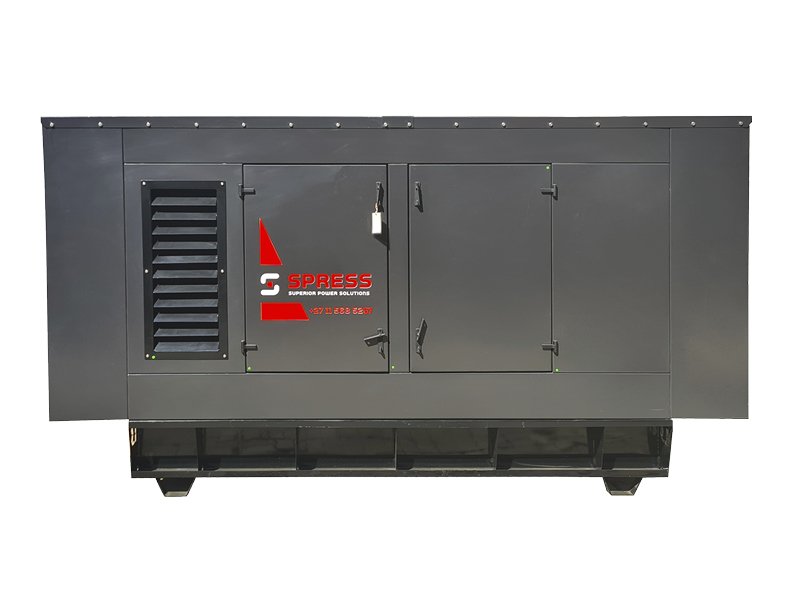
When the lights go out, the job site goes dark, or an outdoor event needs a jolt of reliable power, you often find yourself looking for a temporary energy solution. That's precisely where understanding the various types of rental generators becomes invaluable. Far from a one-size-fits-all device, the world of rental generators is diverse, offering specialized power solutions for nearly any scenario, from a small DIY project to a massive industrial operation. Choosing the right one isn't just about convenience; it's about efficiency, cost-effectiveness, and ensuring your project stays on track.
Navigating the options can feel daunting, but it doesn't have to be. Think of this as your essential playbook, designed to cut through the jargon and give you the confidence to pick the perfect power partner for your next venture.
At a Glance: Your Quick Guide to Rental Generators
- Fuel Types Matter: Gasoline for portability, diesel for heavy-duty, propane for cleaner operation, and natural gas for long-term stationary needs.
- Size Isn't Just Physical: Generators are rated by wattage (e.g., 2,000 watts to 300 kilowatts), indicating how much power they can supply.
- Portability Levels: From handheld portable units to towable trailers and large, commercial-grade stationary systems.
- Key Features to Consider: Noise levels, emissions standards, fuel capacity, voltage output (single vs. three-phase), and automatic transfer switch (ATS) capabilities.
- Calculate Your Needs: Sum all running wattages, then add the highest single starting wattage for an accurate estimate.
- Don't Skimp on Safety: Always operate generators outdoors, away from windows, and ensure proper ventilation.
- Rental Experts Are Your Ally: Leading providers like United Rentals and Sunbelt Rentals offer guidance to match equipment to your specific application.
Why Rent a Generator? Powering Up Without the Permanent Commitment
Before diving into the specifics, let's quickly touch on why renting is often the smartest move for temporary power needs. Buying a generator, especially a large commercial one, is a significant investment. It comes with the burden of maintenance, storage, and the inevitable depreciation. Renting, on the other hand, offers flexibility, cost savings, and access to the latest, well-maintained equipment without the long-term commitment.
Whether you're battling a power outage, fueling a remote construction site, hosting a festival, or providing backup for an industrial facility, rental generators ensure your operations hum along smoothly. You get the power you need, exactly when you need it, for precisely how long you need it. For a deeper dive into making the rental decision, you might find Your guide to generator rentals helpful in weighing your options.
The Main Event: Understanding the Core Types of Rental Generators
Rental generators can be categorized in several ways, primarily by their fuel source and their intended application or portability. Let's break down the most common types you'll encounter.
By Fuel Type: The Engine's Lifeline
The fuel a generator uses is a critical factor, impacting everything from cost and availability to environmental footprint and operational noise.
Gasoline Generators: The Go-To for Portable Power
Gasoline generators are perhaps the most common and recognizable type, often associated with residential backup power or smaller job sites.
- Pros: Generally the most affordable to rent, widely available, easy to start, and highly portable. Gasoline is also readily accessible at most gas stations.
- Cons: Less fuel-efficient than diesel, can be more expensive to run over long periods, and gasoline itself has a shorter shelf life, requiring careful storage. They often produce higher emissions and can be noisier than other types.
- Typical Uses: Powering hand tools on small construction projects, tailgating, camping, temporary home backup during outages, or outdoor events requiring modest power.
- Sizes: Typically range from 2,000 watts to around 10,000-15,000 watts. United Rentals mentions units starting at 2,000 watts.
Diesel Generators: Heavy-Duty Workhorses
When you need serious, sustained power for demanding applications, diesel generators step up. These are the giants of the rental fleet, often found on large construction sites, industrial facilities, and major events.
- Pros: Exceptionally fuel-efficient, durable, and reliable for continuous operation. Diesel fuel is less volatile than gasoline, making it safer to store. Modern diesel generators also often feature reduced noise levels and lower emissions compared to older models.
- Cons: Heavier and less portable than gasoline units, typically more expensive to rent, and diesel fuel can be pricier depending on market fluctuations.
- Typical Uses: Powering entire construction sites, large commercial buildings, remote mining operations, disaster recovery, large-scale outdoor concerts, or as primary power for industrial machinery.
- Sizes: Commonly range from 10,000 watts (10 kW) up to 300,000 watts (300 kW) or even larger for specialized applications. A 200kW unit, for instance, might consume up to 15 gallons of fuel per hour at full load, according to United Rentals.
Propane (LPG) Generators: A Cleaner, Quieter Alternative
Propane generators offer a compelling middle ground, especially when environmental concerns or noise restrictions are a priority.
- Pros: Burn cleaner than gasoline or diesel, producing fewer emissions and less odor. They are often quieter and propane fuel has an indefinite shelf life when stored properly in tanks.
- Cons: Propane can be less energy-dense than diesel, meaning you might need more fuel to produce the same amount of power. Fuel tanks can be bulky, and specialized hookups might be required.
- Typical Uses: Events in sensitive areas, residential backup where noise is a concern, or applications requiring cleaner air quality.
- Sizes: Available across a range, from smaller portable units to mid-sized commercial options.
Natural Gas Generators: Best for Long-Term Stationary Needs
While less common in the temporary rental market due to the need for a direct natural gas line hookup, it's worth understanding for completeness, especially for long-term backup power solutions.
- Pros: Extremely clean-burning with very low emissions. Offers an unlimited fuel supply directly from a utility line, eliminating the need for refueling.
- Cons: Requires a natural gas line, making it non-portable and less suitable for short-term, mobile rental applications. Installation costs can be high.
- Typical Uses: Permanent standby power for hospitals, data centers, or large commercial buildings.
Hybrid & Emerging Technologies: A Glimpse into the Future
The power generation landscape is evolving. You might occasionally encounter rental options that integrate multiple power sources or cutting-edge technologies.
- Hybrid Generators: Combine a traditional fuel engine (like diesel) with battery storage. The engine charges the batteries, which then power the load, allowing the engine to shut down during low-demand periods. This saves fuel, reduces emissions, and lowers noise.
- Hydrogen Generators: United Rentals mentions exploring hydrogen generators as an "emissions-free solution to portable power." While not yet mainstream for general rental, these represent the frontier of clean, temporary power. Keep an eye out for these in the future!
By Portability & Application: Where Will You Use It?
The physical design and mobility of a generator heavily influence its suitability for different tasks.
Portable Generators: Grab-and-Go Power
These are the most common for smaller, temporary needs, designed for easy transport by hand or with built-in wheels.
- Characteristics: Compact, often gasoline-powered, and designed for manual movement. Some models come with a sturdy frame and wheels for easier rolling.
- Typical Uses: Camping, tailgating, home backup, small tool operation on a residential construction site, powering lights and sound for small outdoor gatherings.
- Sizes: Generally up to 10,000-15,000 watts.
Towable Generators: Power on Wheels
For larger power demands that still require mobility, towable generators are the answer. These units are mounted on a trailer for easy hitching to a vehicle.
- Characteristics: Diesel-powered, larger fuel tanks, and built for durability in harsh environments. They often come with features like weather-resistant enclosures and robust chassis.
- Typical Uses: Mid-sized construction sites, outdoor events, emergency response, film sets, or any situation where significant power is needed across multiple locations.
- Sizes: Typically range from 20,000 watts (20 kW) up to 150,000 watts (150 kW).
Commercial & Industrial Generators: The Big Guns
These are the heavyweights, designed for sustained, high-output power in the most demanding commercial and industrial settings. While some are skid-mounted for relocation, they are generally less about "portability" and more about "placement."
- Characteristics: High-capacity diesel engines, advanced control panels, and often designed for parallel operation (connecting multiple units for even more power). They are built for continuous, heavy-duty use and often meet stringent environmental and safety standards.
- Typical Uses: Powering entire factories during planned outages, providing primary power for large-scale mining or oil & gas operations, powering major infrastructure projects, or as mission-critical backup for data centers and hospitals.
- Sizes: From 150,000 watts (150 kW) to 300,000 watts (300 kW) and beyond, depending on the rental provider's fleet. United Rentals lists units up to 300 kW.
Beyond the Basics: Key Features and Considerations
Once you've narrowed down the fuel type and portability, several other features can significantly impact your generator choice and operational experience.
Noise Levels: Keeping the Peace
No one wants a generator drowning out their event or disturbing neighbors.
- Consideration: Generators are rated in decibels (dB). Inverter generators (a type of gasoline generator) are often the quietest, followed by some propane and modern diesel units with sound-attenuated enclosures.
- Practical Tip: If noise is a concern, explicitly ask your rental provider about the decibel rating and inquire about "quiet" or "silent" models, especially for events, residential areas, or offices.
Emissions: Breathing Easier
Environmental regulations and a growing focus on sustainability mean emissions are a valid concern.
- Consideration: Diesel generators have made significant strides in reducing emissions, with many modern units meeting Tier 4 Final standards. Propane and natural gas offer inherently cleaner burns.
- Practical Tip: If your project is in an environmentally sensitive area or subject to strict air quality regulations, discuss emission standards with your rental provider. Many leading rental companies are committed to offering low-emission options.
Fuel Capacity & Run Time: How Long Can It Go?
Understanding how long a generator can run on a single tank of fuel is crucial for planning and logistics.
- General Rule: "The average unit can run around 8-12 hours on a full tank of gas," states United Rentals. However, this varies dramatically by the generator's size and the load it's carrying.
- Example: A 10 kW generator might consume "a little under a gallon an hour at full load," while a 200 kW unit could "consume up to 15 gallons per hour."
- Practical Tip: Always consult the product manual or your rental provider for detailed specifications on fuel consumption. Plan for regular refueling, especially for longer projects. While a generator can run for days with refills, prolonged operation without maintenance is not recommended and can cause damage.
Voltage & Phase: Matching Your Electrical Needs
This is a technical but critical point, especially for commercial and industrial applications.
- Single-Phase Power: Common in residential and small commercial settings (e.g., 120V/240V). Most portable generators provide single-phase power.
- Three-Phase Power: Essential for large industrial equipment, motors, and commercial buildings (e.g., 208V, 480V, 600V). Larger commercial and industrial rental generators typically offer three-phase output.
- Practical Tip: Always know the voltage and phase requirements of the equipment you intend to power. Mismatched voltage or phase can damage your machinery or the generator. Your rental expert can help ensure compatibility.
Automatic Transfer Switches (ATS) & Parallel Systems
These features enhance convenience and scalability.
- Automatic Transfer Switches (ATS): For backup power applications, an ATS automatically detects a power outage, starts the generator, and transfers the electrical load. When utility power returns, it switches back and shuts down the generator. This is vital for facilities requiring continuous power, like hospitals or data centers.
- Parallel Systems: Allows you to connect multiple generators to work together, effectively increasing your total power output. This offers flexibility to scale power up or down and provides redundancy, as the loss of one generator won't necessarily mean a total power loss.
- Practical Tip: Discuss these options with your rental provider if you need seamless backup power or anticipate fluctuating power demands.
The Million-Dollar Question: What Size Generator Do You Need?
Choosing the right generator size is paramount. Too small, and you risk overloading the unit and frequent shutdowns. Too large, and you're paying for capacity you don't use, increasing fuel costs.
Calculating Your Wattage Needs: The Essential Math
The most accurate way to determine size involves a simple calculation, as outlined by leading rental companies:
- List All Appliances/Equipment: Make a comprehensive list of everything you plan to power.
- Find Running Watts: For each item, identify its "running wattage" (the power it continuously consumes).
- Find Starting Watts: For items with motors (e.g., refrigerators, power tools, HVAC units), note their "starting wattage" (the temporary surge of power needed to start the motor, which can be 2-3 times higher than running watts).
- Sum Running Watts: Add up the running watts of all items you intend to power simultaneously.
- Identify Highest Starting Watts: From your list, find the single item with the highest starting wattage.
- The Formula: Total Running Watts + Highest Single Starting Watts = Your Minimum Generator Size.
Understanding Starting vs. Running Watts
It's easy to overlook starting wattage, but it's crucial. While your refrigerator might run on 800 watts, it could briefly draw 2,000 watts or more to kick on its compressor. Your generator needs to handle this brief surge without tripping.
Don't Overlook the Experts
This calculation provides a solid baseline. However, experts at Sunbelt Rentals and United Rentals emphasize that their teams can help you refine this estimate and select the perfect generator package for your specific application. They consider factors like:
- Duty Cycle: Will the generator run continuously or intermittently?
- Load Type: Are you powering resistive loads (lights, heaters) or inductive loads (motors)?
- Altitude & Temperature: These can affect a generator's performance.
- Future Needs: Do you anticipate needing more power down the line?
Rental Best Practices: Getting the Most Out of Your Generator
Renting a generator is more than just picking it up. A few best practices ensure a smooth, safe, and efficient experience.
Pre-Rental Checklist: What to Ask Before You Rent
- Delivery & Pickup: Does the rental company offer delivery and pickup services? What are the associated costs?
- Fuel Policy: Does the generator come with a full tank? Do you need to refill it before returning?
- Maintenance & Support: What happens if the generator breaks down? Is 24/7 technical support available?
- Accessories: Do you need extra fuel tanks, power distribution boxes, cables, or grounding rods?
- Insurance: What are your responsibilities for damage or theft?
- Operating Instructions: Request a quick rundown of basic operation and safety precautions.
On-Site Safety: Powering Responsibly
Safety should always be your top priority.
- Ventilation is Key: Never operate a generator indoors, in a garage, or any enclosed space. Generators produce carbon monoxide, an odorless, colorless, deadly gas. Always place it outdoors, far from windows, doors, and vents.
- Proper Placement: Ensure the generator is on a level, stable surface, away from combustible materials.
- Grounding: Most generators require proper grounding to prevent electrical shock. Follow the manufacturer's guidelines.
- Refueling Safety: Turn the generator off and allow it to cool before refueling. Avoid spilling fuel.
- Electrical Connections: Use heavy-duty, outdoor-rated extension cords appropriate for the load. Never backfeed power into your home's electrical system without a properly installed transfer switch.
Maintenance & Refueling: Keeping it Running Smoothly
While rental companies handle major maintenance, you have a role in daily operation.
- Regular Checks: Before each use, quickly check oil levels, fuel levels, and air filter cleanliness.
- Scheduled Refueling: Keep an eye on the fuel gauge. Don't let the tank run completely dry, as this can introduce air into the fuel lines, requiring bleeding.
- Extended Use: Remember United Rentals' advice: while generators can run for days with refills, continuous operation for "days, weeks, or even months at a time... is not recommended" without proper, routine maintenance and lubrication. Discuss long-term projects with your rental provider to arrange for servicing if needed.
Common Questions About Rental Generators
Let's tackle a few frequently asked questions that pop up.
How long can a rental generator run on a full tank?
Most average rental generators (especially smaller gas units) can run for 8-12 hours on a full tank at a moderate load. Larger diesel units with bigger tanks can often run longer. However, actual runtime depends heavily on the generator's size and the power demand. Always check the specifications for your specific unit.
How much fuel does a rental generator use?
Fuel consumption varies significantly. A 10-kilowatt generator might use less than a gallon per hour at full load, while a heavy-duty 200-kilowatt generator could consume up to 15 gallons per hour. Your best bet is to consult the product manual or ask your rental provider for detailed fuel consumption rates based on the specific model and anticipated load.
Do I need an electrician for a rental generator?
For most small portable generator uses (e.g., powering a few appliances with extension cords), an electrician isn't strictly necessary. However, if you're connecting a larger generator to a building's electrical system (e.g., via a transfer switch for backup power), or if you're dealing with three-phase power or complex power distribution, then yes, always consult or hire a qualified electrician to ensure safe and code-compliant connections.
What brands are reliable for rental generators?
Leading rental providers typically stock generators from trusted manufacturers known for durability and performance. Brands like Honda, Generac, Multiquip, and DeWalt are commonly found in rental fleets, as noted by United Rentals. These brands have a strong reputation in the industry.
Your Next Step: Finding the Right Rental Partner
Understanding the types of rental generators is your first big step. The next, and perhaps most crucial, is connecting with a reputable rental provider. Companies like United Rentals and Sunbelt Rentals not only offer a vast selection of equipment but also provide the expertise to guide your choice. Their specialists can help calculate your wattage needs, recommend the ideal fuel type and portability, and ensure you have all the necessary accessories for a safe and successful project.
Don't hesitate to reach out to their experts, explain your project, and ask all your questions. With the right generator and the right guidance, you'll ensure your next project, event, or emergency stays fully powered.