When you're facing a power outage, planning a remote event, or managing a construction site, a reliable generator isn't just a convenience – it's a necessity. But deciphering the actual generator rental cost & pricing can feel like navigating a maze. You want power, sure, but you also want a fair deal without any nasty surprises showing up on the final bill.
It's not just about the daily rate; a true understanding of generator rental expenses involves factoring in size, duration, fuel, delivery, setup, and even your location. Getting this right means you can compare quotes confidently, avoid unexpected charges, and ensure your power needs are met efficiently.
At a Glance: What You Need to Know About Generator Rental Costs
- Size Matters Most: Generator wattage (power output) is the primary driver of rental cost. Larger units cost significantly more.
- Duration Discounts: Daily rates drop considerably when you rent for longer periods (weekly, monthly).
- Beyond the Unit: Delivery, setup, fuel, and labor are often separate charges that can add substantially to the total.
- Location, Location: Urban delivery might be quicker but pricier; rural sites incur higher transport fees due to distance.
- Basic Portable Unit (6-10 kW, 2-3 days): Expect to pay $120-$350, excluding fuel and taxes.
- Mid-Range Unit (12-20 kW, 5-7 days): Typically $450-$1,200, fuel strategy dependent.
- Large Commercial Unit (25-40 kW, 7-14 days): Costs can range from $1,600-$4,000+, especially with full service.
- Hidden Fees: Always ask about fuel plans, surge pricing, disposal fees, and technician availability.
- Ways to Save: Right-sizing your unit, negotiating bundles, coordinating delivery, and using local suppliers are key.
The Big Picture: What Really Drives Generator Rental Costs?
Before we dive into specific price tags, let's break down the core components that shape any generator rental quote. Understanding these variables empowers you to ask the right questions and spot potential cost-savers.
Power Output (Wattage): Your #1 Cost Driver
This is perhaps the most critical factor. Generators are rated in kilowatts (kW), indicating how much power they can produce.
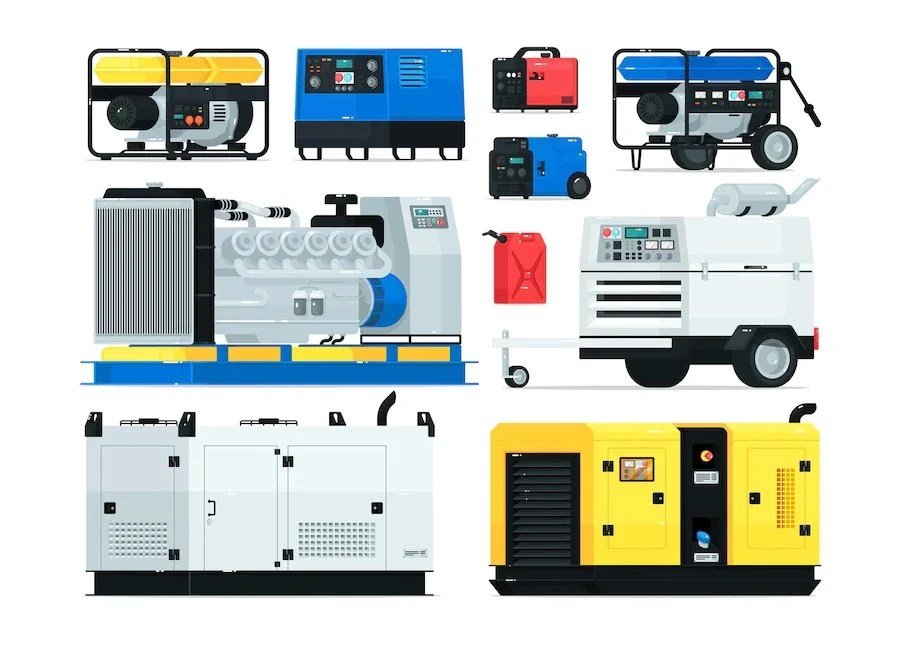
- Smaller Units (6-10 kW): Think powering a few essential appliances during a home outage, a small outdoor event, or basic tools on a residential job site. These are typically the most affordable.
- Mid-Range Units (12-20 kW): Suitable for larger homes, small businesses, or medium-sized construction projects requiring more robust power for multiple tools or systems.
- Large Commercial Units (25 kW+): Designed for heavy industrial applications, large events, entire building backup, or significant construction operations. These command premium pricing due to their complexity, fuel consumption, and specialized transport.
The higher the wattage, the higher the rental rate. It’s that simple. Oversizing is a common and expensive mistake, so accurately assessing your power needs is paramount.
Rental Duration: The Longer You Rent, The Less You Pay Per Day
Generator rental companies structure their pricing to incentivize longer commitments.
- Daily Rates: Highest per-day cost, suitable for very short-term needs (1-2 days).
- Weekly Rates: Often a better value than multiple daily rentals, offering a significant discount per day. Many companies base their pricing around a weekly rate, even for shorter rentals.
- Monthly Rates: The most cost-effective per-day option, ideal for long-term projects or ongoing standby power.
This tiered pricing means a 5-day rental often won't be five times a single day's rate; it's likely closer to a weekly rate, making a slight extension more economical.
Delivery, Setup, and Location: Getting Power Where You Need It
Getting the generator to your site and making it operational involves several cost elements.
- Delivery Fees: These vary based on distance, the size/weight of the generator (which dictates the transport vehicle needed), and the accessibility of your site. Major metro areas often have higher delivery fees, while rural sites can incur extra transport charges due to distance.
- Setup/Hookup Fees: While some basic portable units might be "plug and play," larger generators require professional setup to ensure safety and proper operation. This often involves connecting to a transfer switch or distribution panel.
- Labor Costs: Installation and testing can take 1-2 hours for residential units, but 4-6 hours or more for commercial setups, potentially requiring a licensed electrician. Hourly rates for labor typically range from $60-$125 per hour.
- Site Complexity: Is your site easy to access? Or does it involve steep driveways, limited maneuvering space, or rough terrain? Challenging logistics can lead to higher delivery and setup charges.
Fuel Requirements: Often an Extra Line Item
Unless explicitly stated, fuel is generally not included in the base rental price.
- Diesel vs. Gasoline: Most larger rental generators run on diesel, while smaller portable units typically use gasoline. Fuel prices fluctuate, impacting your total operational cost.
- Fuel Services: Many rental companies offer optional fuel plans, including initial tank fills, on-site refueling during the rental period, or charging you for the fuel consumed upon return. Always clarify their fuel policy upfront.
- Consumption: Bigger generators consume significantly more fuel, especially under heavy loads. This operational cost needs to be part of your budget.
Additional Services & Accessories: Tailoring Your Power Solution
To ensure safe and effective operation, you might need extra items or services:
- Cables & Distribution Boxes: Essential for connecting the generator to your devices or electrical system.
- Transfer Switches: Automatically switch power sources between the grid and the generator during an outage (critical for home or business backup).
- Fuel Tanks (External): For extended runtimes, larger external fuel tanks can be rented.
- On-Site Technician: For critical applications or long-term projects, having a technician on standby or for regular maintenance checks can be invaluable, albeit an added cost.
- Environmental Mats: To prevent fuel spills on sensitive ground.
These can easily add 10-25% to your base rental cost. When you're ready to secure your power solution, you'll want to explore generator rental options that offer a clear breakdown of all these potential costs.
Deciphering Real-World Generator Rental Prices
To give you a clearer picture, let's look at some common scenarios based on typical rental requirements and current market rates. Keep in mind these are estimates; your actual quote will depend on your specific needs, location, and the rental provider.
Scenario 1: The Basic Backup (Small Portable Generator)
- What you need: A 6 kW portable generator for a short-term residential power outage or a small outdoor gathering.
- Duration: 2-3 days.
- Included: Generator unit, delivery within an urban area, basic hookup (e.g., connecting to a few standard cords).
- What's extra: Fuel, taxes, extended cords, specialized connectors.
- Typical Total: Commonly lands in the $120–$350 range.
- Why this range? Urban delivery is often standard, but demand surges during emergencies can push prices higher. This budget assumes you handle refueling and don't need complex electrical integration.
Scenario 2: The Mid-Range Workhorse (Medium-Sized Unit)
- What you need: A 12 kW unit for a small construction site, a medium-sized event, or temporary power for a business during renovations.
- Duration: 5 days (often priced at a weekly rate).
- Included: Generator unit, delivery to a suburban location, professional setup to a basic distribution panel, weekly fuel top-up service.
- What's extra: Taxes, additional distribution equipment, continuous on-site monitoring.
- Typical Total: Runs $450–$1,200.
- Why this range? The price varies based on the level of fuel service chosen and specific peak demand requirements. Professional setup adds value and safety but also cost. Finding the right generator rental for these mid-range needs often involves balancing power with service level.
Scenario 3: The Heavy-Duty Power Solution (Large Commercial Unit)
- What you need: A 25-40 kW generator for a large outdoor festival, a remote film set, or industrial backup power for an extended period.
- Duration: 7-14 days.
- Included: Large generator unit, specialized transport and delivery to a rural or complex site, full professional setup by a licensed electrician, 24/7 on-site technician, comprehensive fuel management (included fuel).
- What's extra: Taxes, rapid deployment surcharges (if needed quickly), additional heavy-duty cabling beyond standard.
- Typical Total: Often reaches $1,600–$4,000+.
- Why this range? This premium scenario includes high-wattage equipment, complex logistics, dedicated on-site personnel, and ongoing fuel provision – all contributing to a higher but fully managed cost. Sites with difficult access or immediate deployment needs will push this higher.
Beyond the Basics: Diving Deeper into Cost Factors
While wattage and duration set the baseline, numerous other elements subtly (or not-so-subtly) influence your final generator rental bill.
Power Output (Wattage): The Core Cost Driver, Revisited
It's worth reiterating that generator rental companies often have tiered pricing for wattage. Crossing certain thresholds can significantly jump your rate. For example, a 9 kW unit might be in one price bracket, but jumping to a 10 kW or 12 kW unit could push you into the next, more expensive tier, even if your actual power need is only slightly above the lower threshold. Always ensure you're not paying for significantly more power than you truly require.
Runtime & Fuel Management: Keeping the Power Flowing
How long you expect the generator to run continuously impacts not just fuel costs but also maintenance.
- Extended Use: If your generator will run for many hours daily, you'll need to consider larger external fuel tanks or on-site refueling services. These come at an added cost.
- Fuel Type: Diesel is generally safer to store and handle than gasoline for larger, longer-running units, but its price fluctuates independently. Always clarify the fuel type required.
- Fuel Service: Will you manage refueling yourself, or do you want the rental company to handle it? The latter is convenient but adds to the service fee.
Delivery, Setup, and Location Nuances
The "where" and "how" of generator delivery are surprisingly complex.
- Market Variation: Prices vary significantly by market. Major metropolitan areas might see delivery and setup fees 10-25% higher than suburban regions due to higher operational costs and traffic. Rural sites, conversely, can incur 5-15% higher transport costs simply due to the distance from the rental depot.
- Local Competition: In areas with many rental providers, competition can drive prices down. In less competitive markets, you might have fewer options and potentially higher costs.
- Permits: For larger generators or installations in public spaces, local permits might be required, adding a layer of administrative cost and time. Your rental provider might assist with this, often for a fee.
Labor Costs: Installation and Support
Getting a generator safely installed and operational isn't always a DIY task, especially for larger units.
- Crew Size & Time: A simple residential hookup might need 1-2 hours of a single technician's time. Commercial or complex setups, however, can demand 4-6 hours or more, potentially involving multiple crew members and a licensed electrician, depending on local regulations.
- Hourly Rates: These hourly rates for installation, system testing, and basic startup training typically range from $60–$125 per hour.
- On-Site Technicians: For critical operations where downtime is not an option, you might opt for an on-site technician. This is a premium service, significantly increasing costs, but offers peace of mind.
Market Dynamics and Seasonal Spikes
Just like any other service, generator rental prices are subject to supply and demand.
- Extreme Weather: During hurricanes, blizzards, or widespread power outages, demand for generators skyrockets. Rental companies often implement surge pricing, and availability becomes extremely limited. Booking well in advance or having a contingency plan is crucial.
- Event Season: Peak seasons for outdoor events, festivals, and construction can also lead to higher demand and potentially higher prices.
Understanding these factors allows you to better anticipate costs and make informed decisions, whether you're planning a project or facing an emergency. When you need temporary power, you'll want to evaluate generator rental services carefully.
Watch Out For: Common Additional & Hidden Charges
The base rental rate is rarely the final cost. Be an informed renter by knowing what else might appear on your bill.
- Extended Fuel Plans: If you opt for the rental company to manage your fuel, ensure you understand their pricing structure. Some charge a premium for the convenience.
- Surge Pricing: As mentioned, extreme weather events or local emergencies can trigger higher rates due to increased demand. It's not a "hidden" fee if they inform you, but it can be a significant addition.
- Disposal/Cleaning Fees: If you return the generator excessively dirty or with environmental issues (e.g., oil spills), you might be charged a cleaning or disposal fee.
- Rapid Delivery/Emergency Call-Out: Need a generator within a few hours? Expect to pay a premium for expedited service, often outside normal business hours.
- Damage Waiver/Insurance: Many companies offer (or require) a damage waiver or proof of insurance. This protects you from certain costs if the generator is damaged while in your care. Understand what it covers and its cost.
- Transfer Fees: At the end of the rental period, some companies charge a "transfer fee" for pick-up, especially if the unit is being moved to another location rather than returned to the depot.
- Prepaid vs. Postpaid Fuel: Always clarify whether the initial tank of fuel is included and if you're expected to return it full, or if they will refuel and charge you. Returning it empty when you were supposed to refuel can incur significant charges.
- On-Site Technician for Startup: Verify if the cost includes a technician for the initial startup and system testing, or if that's an additional hourly charge.
The Golden Rule: Always get a detailed, itemized quote in writing. Ask explicitly about all potential charges beyond the base rental rate.
Smart Strategies: How to Save on Generator Rental Costs
No one wants to overpay for power. Here’s how to be a savvy renter and keep your costs down without compromising on reliability.
- Select the Appropriately Sized Unit: This is the single biggest money-saver. Don't rent a 20 kW generator if a 10 kW unit will suffice. Accurately calculate your power needs by listing all devices you'll run simultaneously and their wattage requirements. If unsure, consult with the rental company's experts.
- Negotiate Multi-Day Bundles: As discussed, longer rental periods often come with a lower daily rate. If your project is flexible, consider extending a 3-day rental to a week; the incremental cost might be surprisingly small compared to multiple daily rentals.
- Coordinate Delivery Windows to Avoid Peak-Demand Surcharges: If possible, schedule delivery and pickup during standard business hours and non-peak times. Emergency or after-hours service almost always incurs additional fees.
- Choose a Unit Close to the Project Site: Opting for a rental company with a depot geographically closer to your location can significantly reduce delivery and pickup charges, especially for larger, heavier generators.
- Consolidate Rentals with a Single Supplier: If you have multiple sites or ongoing generator needs, consolidating your rentals with one provider can open doors to bulk discounts or loyalty programs. Building a relationship can lead to better rates and service.
- Self-Manage Fuel (If Practical): For smaller units and shorter durations, buying and managing your own fuel can be cheaper than opting for the rental company's fuel service, provided you have safe storage and transport.
- Book in Advance (Especially for Events or Known Risks): Planning ahead, particularly if you anticipate high demand (e.g., during hurricane season), can secure better rates and ensure availability, avoiding last-minute surge pricing.
- Understand the Damage Waiver: Decide if purchasing the damage waiver is a cost-effective choice for your situation. Sometimes, your existing business insurance might cover rental equipment, making the waiver redundant.
By applying these strategies, you can significantly reduce your overall generator rental expenses without sacrificing the reliable power you need. When you're ready, compare generator rental companies to find the best fit for your budget and power requirements.
Your Questions Answered: Generator Rental FAQs
Here are quick answers to some common questions that pop up when people are looking into generator rental costs.
What's typically included in the base generator rental price?
Generally, the base price covers the generator unit itself for the specified duration. Most other services like delivery, setup, fuel, and accessories are usually separate line items. Always confirm what "base rate" truly entails.
Do I need to refuel the generator before returning it?
This varies by rental company and the agreement. Some expect you to return it full, others will refuel it and charge you for the consumed amount, and some larger rentals might include a fuel management plan. Always clarify the fuel policy upfront to avoid unexpected charges.
Can I pick up the generator myself to save on delivery fees?
For smaller, portable generators, yes, this is often an option. However, for larger units (typically 15 kW and above), companies often require professional delivery and setup due to weight, specialized transport needs, and safety protocols. Check with the rental provider.
How far in advance should I book a generator?
For planned events or projects, booking 2-4 weeks in advance is ideal. For emergency backup, you might not have that luxury, but be aware that last-minute rentals, especially during widespread outages, can be more expensive and harder to secure.
What happens if the generator breaks down during my rental?
Reputable rental companies offer technical support and often emergency service. Clarify their breakdown policy: do they offer immediate replacement, on-site repair, and what are the associated costs or guarantees for uptime?
Do I need a special permit to rent a generator?
For small residential use, usually no. However, for large commercial generators, especially if placed in public areas, local permits may be required. Your rental company can often advise on local regulations or assist with permit applications.
Ready to Power Up? Your Next Steps
Navigating generator rental costs doesn't have to be daunting. By understanding the key cost drivers, being aware of potential hidden fees, and applying smart saving strategies, you can secure the power you need efficiently and affordably.
Your next step should be to accurately assess your power requirements. List out all the equipment, appliances, or systems you need to power, note their wattage, and determine your expected runtime. This crucial information will allow you to select the right generator size and get an accurate quote.
Then, reach out to several reputable generator rental providers. Armed with your power needs and the knowledge from this guide, you can confidently compare quotes, ask informed questions, and ensure you're getting the best value for your investment. Don't hesitate to explore generator rental options that align with your specific requirements and budget. Powering your project or protecting your home from outages is well within reach.