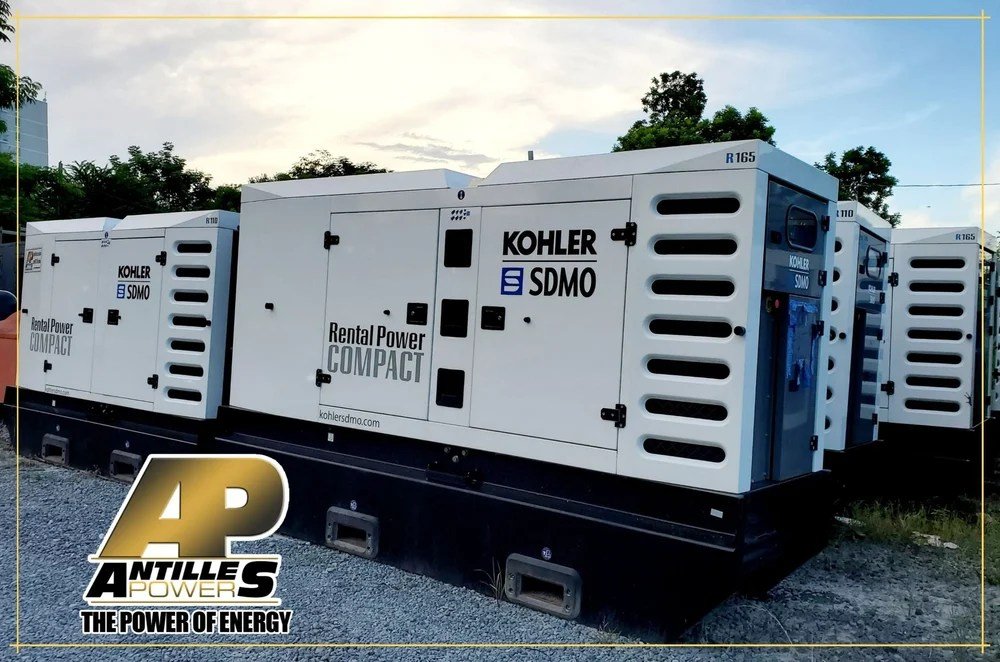
Life can be unpredictable, from sudden power outages that halt daily routines to remote job sites needing a reliable energy source far from the grid. In these moments, owning a generator isn't always practical or necessary. That's where a generator for rent becomes an invaluable solution, offering temporary power without the commitment of purchase, maintenance, or storage. This hub is your definitive guide to understanding, choosing, and safely operating a rental generator, ensuring you're never left in the dark.
Renting provides immense flexibility, whether you're powering a special event, keeping a construction site operational, or safeguarding your home during an emergency. We'll walk you through everything you need to know, from selecting the right model to navigating rental costs and ensuring safe operation.
Understanding Your Power Needs: Why Rent a Generator?
Generators are versatile powerhouses, essential for a myriad of situations where grid power is unavailable or unreliable. Perhaps a storm has knocked out power to your neighborhood, or you're planning an outdoor event that requires electricity for lighting, sound systems, and catering equipment. Construction sites, remote filming locations, and emergency services also frequently rely on temporary power solutions to keep operations running smoothly.
Choosing to rent over buying is often the most economical and practical decision for short-term or intermittent needs. It saves you the upfront investment, ongoing maintenance, and the hassle of storage. To get a comprehensive overview of how these units serve diverse needs, we encourage you to Explore common generator uses and see how a rental can perfectly fit your project or emergency.
Finding the Right Power Partner: Types and Sizing
Not all generators are created equal, and selecting the correct unit is crucial for efficient and reliable power. You'll find a wide spectrum of options, ranging from small, portable gasoline models perfect for tailgating or minor home outages, to large, towable diesel generators capable of powering entire commercial operations. Rental fleets often include cutting-edge options with features like low emissions and reduced noise levels, designed for various environments.
Deciphering Generator Types and Fuels
When considering a generator for rent, you'll encounter different fuel types and designs:
- Gasoline Generators: Common for portable units, ideal for shorter durations and smaller power needs.
- Diesel Generators: Preferred for heavy-duty, long-term applications due to their fuel efficiency and durability. Many commercial and industrial rental generators are diesel-powered.
- Propane Generators: Offer cleaner burning fuel and longer storage life, often found in mid-range portable units.
- Inverter Generators: Known for their quiet operation and clean power output, excellent for sensitive electronics.
To dive deeper into the specific features and capabilities of each, explore our guide on Types of Rental Generators. This will help you identify which design best suits your unique requirements.
Calculating Your Wattage Requirements
The most critical step in choosing a generator is accurately determining the wattage you need. This involves listing all the appliances and tools you plan to power simultaneously. You'll need to account for two types of wattage:
- Running Wattage: The continuous power an item needs to operate.
- Starting Wattage (Surge Wattage): The extra burst of power many motor-driven appliances (like refrigerators, power tools, or air conditioners) require for a few seconds to start up.
You should calculate the total running wattage of all items and then add the highest single starting wattage from any one appliance to ensure your generator can handle the initial load. For personalized assistance in determining your precise power needs, Here are a few options for understanding wattage and selecting the appropriate generator size, including insights from climate experts who can help tailor a package for you.
Navigating the Rental Process: Costs and Logistics
Renting a generator is a straightforward process, but understanding the factors that influence cost and logistics will help you budget effectively and avoid surprises. Rental periods can range from a few hours to several weeks or even months, with pricing structured accordingly.
Key Factors Influencing Rental Costs
Several variables contribute to the overall price of your generator rental:
- Generator Size and Output: Larger, more powerful generators naturally come with a higher rental fee.
- Rental Duration: Daily, weekly, and monthly rates are common, with longer terms often offering a lower per-day cost.
- Delivery and Pickup: Transportation services can add to the cost, especially for larger, towable units.
- Fuel Costs: While some rentals may come with a full tank, you're typically responsible for refueling during your rental period. Fuel consumption varies dramatically; for instance, a 10-kilowatt generator might use less than a gallon per hour at full load, while a 200-kilowatt unit could consume up to 15 gallons per hour.
- Accessories: Power distribution panels, extension cords, transfer switches, and fuel tanks may be rented separately.
- Insurance/Damage Waivers: Optional protections against accidental damage.
To gain a detailed understanding of the expenses involved and how to optimize your budget, our guide on Generator rental costs provides a comprehensive breakdown and tips for securing the best rates.
Powering Up Safely and Efficiently
Operating any generator requires adherence to strict safety protocols to prevent accidents, carbon monoxide poisoning, and electrical hazards. Rental companies like United Rentals ensure their equipment is well-maintained, but the responsibility for safe operation ultimately rests with the user.
While generators can run for 8-12 hours on a full tank, and potentially for days or weeks with continuous refueling, it's generally not recommended to run them for extended periods without proper checks. Like any engine, generators require routine lubrication and maintenance to perform optimally and prevent permanent damage. Always consult the product manual for detailed specifications on fuel consumption rates and recommended operating procedures. For a deep dive into best practices and essential precautions, our Safety and Operational Guide for provides critical information to keep you and your surroundings safe.
Empowering Your Next Project or Emergency
Renting a generator is a smart, flexible solution for a wide array of power needs. By understanding the types available, accurately sizing your requirements, navigating rental costs, and prioritizing safety, you can confidently secure the reliable power you need. We're here to empower you with the knowledge to make informed decisions, ensuring your next event, project, or emergency response is powered efficiently and safely.