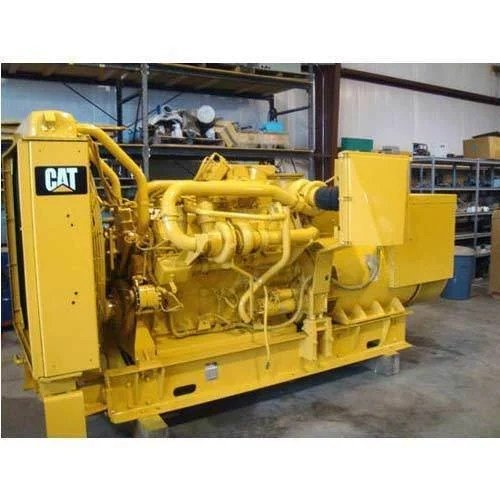
In a world where reliable power isn't just a convenience but often a necessity, knowing how to secure a temporary energy solution is crucial. Whether you're powering a construction site, ensuring business continuity during an outage, or bringing an outdoor event to life, understanding the ins and outs of Finding & Renting a Generator: Companies & Process is your first step to uninterrupted operations. It’s not just about getting electricity; it’s about securing the right power, efficiently and without unnecessary hassle.
This comprehensive guide cuts through the complexity, arming you with the knowledge to make informed decisions and ensure your power needs are met with confidence.
At a Glance: Your Quick Guide to Generator Rentals
- Why Rent? Avoid large upfront costs, maintenance burdens, and storage issues.
- Size Matters: Accurately calculate running watts + startup surges, then add a 10-20% safety margin.
- Fuel Facts: Diesel generators consume about 0.1 gallons per kWh; operate at 50-80% capacity for efficiency.
- Diesel vs. Hybrid: Diesel for 24/7 critical power; solar hybrids for efficiency, quiet operation, and reduced emissions.
- Smart Tech: Telematics provides remote monitoring, proactive maintenance alerts, and optimized usage for mission-critical applications.
- The Process: Typically involves consultation, recommendation, quote, confirmation, delivery, support, and pickup.
- Choose Wisely: Look for providers with diverse inventory, strong support, transparent pricing, and a commitment to safety.
Why Rent a Generator? The Smart Power Play for Any Situation
Renting a generator is often the smartest choice for temporary power needs, sidestepping the significant upfront investment and long-term commitment of ownership. Think of it as accessing power on demand, tailored precisely to your project's duration and scale. This flexibility is a game-changer for construction sites that move, event planners with fluctuating needs, or businesses requiring emergency backup.
Beyond the cost savings, renting frees you from the burdens of maintenance, storage, and depreciation. Reputable rental providers manage the upkeep, ensuring their generators are always in peak condition and ready to perform. This means you get reliable power without the headaches of servicing, repairs, or finding space for a large, rarely used piece of equipment. It's about efficiency, convenience, and peace of mind.
Decoding Your Power Needs: Sizing a Generator for Success
The single most critical step in finding the right generator is accurately determining its size. An undersized generator will struggle and potentially damage your equipment, while an oversized one wastes fuel and money. Don't guess; calculate.
Step 1: List Your Essentials and Their Running Watts
Begin by making a comprehensive list of every appliance, tool, or system you intend to power. For each item, find its running wattage. This information is usually on the appliance's label, in its manual, or easily searchable online. The running wattage is the continuous power an item needs to operate.
Step 2: Mind the Surge – Accounting for Startup Power Spikes
Many devices, especially those with motors (like refrigerators, air conditioners, power tools, or pumps), demand a significantly higher burst of power when they first start up. This is known as startup surge or starting watts. You'll need to identify the item on your list with the highest startup surge. Add this largest surge wattage to the total running wattage of all other items that will be running simultaneously. This combined figure represents the peak power your generator needs to handle.
For example, if your total running watts for various items is 2050W, and your largest startup surge (say, from a refrigerator) is 1550W, your peak power requirement would be approximately 3600W.
Step 3: Build in a Buffer – The Safety Margin
Once you have your calculated peak power requirement, don't stop there. Always select a generator with a 10-20% safety margin above that total. This buffer provides crucial flexibility, accommodating unexpected loads, minor fluctuations, and future additions without pushing your generator to its absolute limit. It enhances reliability and extends the generator's lifespan.
Following our example, for a 3600W peak requirement, a 4-5 kW (or 4000-5000W) generator would be a wise choice, ensuring you have ample power to spare. Getting this calculation right is fundamental to a successful and cost-effective rental experience.
Diesel vs. Solar Hybrid: Choosing Your Power Source
The type of generator you choose significantly impacts operating costs, noise levels, and environmental footprint. The two main contenders for rental are traditional diesel and modern solar hybrid systems.
The Workhorse: Diesel Generators
Diesel generators have long been the industry standard, known for their robust reliability, durability, and ability to provide continuous, high-power output, especially for critical 24/7 operations. They come in a vast range of mobile and soundproof options, from smaller 15 KVA units to colossal 2250 KVA machines, making them versatile for virtually any application.
Pros:
- Reliability: Proven technology, robust for heavy-duty, continuous use.
- Power Output: Excellent for high-demand, 24/7 operations.
- Fuel Availability: Diesel is widely accessible.
Cons: - Fuel Cost: Can be significantly higher than grid electricity (approx. $0.30–$0.40 per kWh).
- Emissions: Higher carbon footprint compared to newer alternatives.
- Noise: Can be loud, even with soundproofing.
The Eco-Warrior: Solar Hybrid Generators
Modern solar hybrid systems represent a leap forward in temporary power. These generators combine a diesel engine with solar panels and battery storage, allowing them to dramatically reduce fuel consumption by prioritizing solar energy. They only kick in the diesel engine when solar power is insufficient or batteries run low.
Pros:
- Fuel Savings: Significantly lower fuel costs due to solar energy utilization.
- Reduced Emissions: Lower environmental impact, a greener choice.
- Quiet Operation: Often much quieter than pure diesel units, especially when running on battery power.
- Extended Run Times: Batteries can provide power during off-peak hours without the engine running.
Cons: - Initial Rental Cost: May have a higher daily or weekly rental rate.
- Solar Dependency: Performance can vary with sunlight availability.
- Best for Specific Applications: Ideal for long-term or daytime applications where efficiency and noise are concerns.
Making the Call: When to Pick Which
If your project demands critical, uninterrupted 24/7 power, especially in high-load scenarios, a traditional diesel generator remains a highly dependable choice. However, for those prioritizing environmental sustainability, noise reduction, and long-term cost savings on fuel, a solar hybrid system is increasingly recommended. They shine in applications where quiet operation is paramount (e.g., events, residential areas) or where sustained daytime power can be supplemented by the sun. When you're ready to explore available generator rentals, discuss these options with your provider to find the best fit.
Beyond the Basics: Smart Tech for Smarter Power
The world of generators isn't just about raw power; it's also about intelligent management. Two key areas—fuel consumption and telematics—can significantly impact your operational efficiency and peace of mind.
Fuel Consumption: Managing the Mighty Cost
Fuel is often the most significant ongoing expense in generator rental. Typical diesel generators consume about 0.1 gallons of fuel per kilowatt-hour (kWh) of electricity produced. This translates to an operating cost of approximately $0.30–$0.40 per kWh, which is substantially higher than standard grid electricity. Understanding this cost empowers you to optimize usage.
The sweet spot for fuel efficiency is operating your generator between 50-80% of its capacity. Running a generator below 50% load can lead to "wet stacking" (unburnt fuel buildup) and inefficiency, while constantly pushing it above 80% reduces its lifespan and increases wear. Matching the generator closely to your specific needs, as discussed in the sizing section, is crucial for both cost efficiency and generator longevity. An oversized unit consumes more fuel even at lower loads, draining your budget unnecessarily.
The Silent Guardian: Telematics for Peak Performance
For mission-critical power needs, telematics technology is a game-changer. Telematics involves equipping generators with remote monitoring capabilities, transforming reactive maintenance into proactive management.
Here’s how it boosts reliability and performance:
- Proactive Maintenance: Telematics tracks vital metrics like fuel levels, generator load, oil pressure, coolant temperature, and battery health in real-time. Instant alerts notify you (and the rental provider) of any deviations, enabling technicians to address potential issues before they cause downtime.
- Optimized Usage: Real-time data provides insights into how the generator is being used, allowing you to fine-tune sizing adjustments or scheduling. For instance, if data shows consistent low-load operation, you might consider a smaller, more fuel-efficient unit for the next rental.
- Reduced Downtime: With rapid response to potential issues and predictive maintenance, the risk of unexpected breakdowns is dramatically reduced. This means more consistent uptime for your critical operations.
Many leading rental companies now offer telematics-equipped generators. For projects where power interruptions are simply not an option, inquiring about this feature is a smart move.
Navigating the Rental Process: Your Step-by-Step Guide
Renting a generator might seem daunting, but reputable companies streamline the process into a clear, manageable sequence. Understanding these steps will help you approach your rental with confidence.
Step 1: Initial Consultation – Share Your Vision
The first step is to contact a generator rental provider. This isn't just about asking for a price; it's a conversation. Be prepared to discuss your project's power requirements (wattage, voltage, single-phase/three-phase), the site location, duration of the rental, and any budget constraints. The more information you provide, the better equipped the provider will be to offer the right solution. This initial discussion is critical to secure your temporary power source effectively.
Step 2: Expert Recommendation – Tailored Solutions
Based on your consultation, the provider will recommend one or more suitable generators from their fleet. Their inventory typically includes a wide range of mobile and soundproof diesel generators, often ranging from 15 KVA for smaller needs up to 2250 KVA for large-scale industrial projects. They'll consider factors like fuel type (diesel, solar hybrid), noise restrictions, and environmental concerns to match you with the ideal unit for short-term or long-term rentals.
Step 3: Transparent Quotation – Know Your Costs
Once a generator is recommended, you'll receive a detailed and transparent quotation. This quote should clearly itemize all costs, including the base rental fees (daily, weekly, or monthly), delivery and setup charges, fuel estimates (if managed by the provider), and any additional services like connection accessories, auxiliary fuel tanks, or telematics. Don't hesitate to ask questions about anything unclear.
Step 4: Confirmation & Scheduling – Making it Official
After reviewing the quote and agreeing on the terms, you'll typically make an advance payment or provide a deposit to confirm your rental. At this stage, you'll also finalize the exact delivery date and time. Ensure all logistical details, such as site access, are confirmed.
Step 5: Delivery & Setup – Power Arrives
On the scheduled day, trained technicians from the rental company will handle the delivery of the generator to your site. They are responsible for the safe offloading, positioning, and proper setup of the unit, ensuring optimal performance and safety compliance. They'll also make the necessary electrical connections and provide a basic orientation on safe operation.
Step 6: On-Call Support & Maintenance – Peace of Mind
Throughout your rental period, you should have access to customer support for any issues, questions, or concerns. For longer rentals, maintenance teams are often available for periodic checks to ensure the generator continues to perform at peak efficiency. This ongoing support is invaluable for maintaining uninterrupted power.
Step 7: Pickup & Removal – Hassle-Free Wrap-Up
Once your rental period concludes, the rental provider takes care of the pickup and removal of the generator. You don't need to worry about transportation or dismantling. They will safely disconnect the unit and transport it back to their facility, providing a truly hassle-free experience from start to finish.
Finding the Right Generator Rental Company
Choosing the right partner for your generator rental is almost as important as choosing the right generator itself. A good company offers more than just equipment; they offer expertise, reliability, and support.
What to Look For in a Provider
- Diverse Inventory: A wide selection of generator sizes, types (diesel, solar hybrid), and features (soundproofing, telematics) ensures they can meet specific, unique demands.
- 24/7 Support and Service: Power needs don't adhere to business hours. Look for companies offering round-the-clock technical support and emergency services.
- Reputation and Experience: Check reviews, testimonials, and industry standing. An experienced provider will anticipate potential issues and offer proactive solutions.
- Transparent Pricing: Clear, itemized quotes without hidden fees are a sign of trustworthiness.
- Safety Standards: Inquire about their safety protocols for delivery, setup, and operation. A commitment to safety protects both their team and yours.
- Logistical Capabilities: Ensure they have the equipment and personnel to deliver, install, and retrieve generators efficiently, especially for challenging site locations.
- Fuel Management Services: Some companies offer fuel delivery and management, which can be a huge convenience for long-term rentals.
- Insurance and Certifications: Verify that they are properly insured and that their equipment meets all necessary industry standards and certifications.
Questions to Ask Before You Sign
Don't be shy about asking detailed questions. This ensures clarity and prevents surprises.
- "What is included in the rental price, and what are potential additional charges?"
- "What are your emergency response times for breakdowns or issues?"
- "Do you offer fuel management or refueling services?"
- "What kind of site preparation is required on our end?"
- "Can you provide references for similar projects you've powered?"
- "What are your policies regarding damage, loss, or extended rental periods?"
- "Do your generators come with telematics for remote monitoring?"
- "What safety training or guidelines do you provide for operating the generator?"
By asking these questions and thoroughly vetting potential companies, you'll be well-positioned to locate the perfect generator for your needs and secure a reliable partner for your power solutions.
Common Scenarios & Quick Answers
Navigating generator rentals often brings up specific questions. Here are some quick answers to common queries:
What About Permits or Regulations?
Depending on your location and the size/type of generator, you may need local permits or adhere to specific environmental regulations (e.g., noise restrictions, emissions). Always check with local authorities and inform your rental provider; they may have experience navigating these requirements and can offer guidance.
What if I Need Fuel Delivery?
Many reputable generator rental companies offer fuel delivery services, especially for larger or longer-term rentals. This convenience ensures you don't have to manage fuel logistics yourself. Discuss this option during your initial consultation.
Can I Operate the Generator Myself?
While the rental company's technicians handle delivery and initial setup, they will often provide basic operational instructions. For smaller, simpler units, you might manage basic operations like starting/stopping. For larger, more complex systems, or for installations requiring specialized electrical connections, it's highly recommended to have qualified personnel (or the rental company's technicians) manage operation and monitoring. Safety is paramount.
What if the Generator Breaks Down?
This is where a reliable rental company shines. They should have a dedicated support line and a team of technicians ready to respond to breakdowns. For mission-critical applications, inquire about their guaranteed response times and backup generator availability. Telematics-equipped units can often flag issues before they become full breakdowns.
How Long Can I Rent a Generator For?
Rental periods are incredibly flexible, ranging from a single day to several weeks, months, or even years. Most companies offer daily, weekly, and monthly rates, with longer-term rentals typically resulting in a lower average daily cost. Discuss your projected timeline with the provider to get the most cost-effective arrangement.
Your Next Step to Uninterrupted Power
Securing reliable temporary power doesn't have to be a complex undertaking. By understanding your power needs, weighing the options between diesel and solar hybrid, appreciating the role of smart technology, and navigating the rental process with a clear understanding, you're empowered to make smart decisions.
Armed with this knowledge, your next step is to connect with a trusted generator rental provider. Have your power requirements ready, prepare your questions, and engage in a thorough consultation. Whether it's for an emergency, a special event, or a demanding construction project, the right generator, from the right company, will keep your operations running smoothly and efficiently. Don't wait for the lights to go out; be proactive in planning your power solutions.