When the lights go out, the power tools falter, or your outdoor event is plunged into darkness, the grid's silence can be deafening. That's precisely when the unsung hero, the rental generator, steps in. Understanding the Common Applications & Use Cases for Rental Generators isn't just about troubleshooting a power cut; it's about unlocking continuous operation, seamless events, and critical functionality in a world that can't afford to stop. Whether you're a small business owner, a contractor, an event planner, or simply someone looking to keep essentials running, knowing when and how to leverage a rental generator is a powerful piece of knowledge.
These versatile machines bridge the gap between unreliable grid power and your essential needs, delivering electricity exactly where and when you need it most. They’re not just for emergencies; they’re strategic tools that enable projects, elevate experiences, and safeguard operations across countless scenarios.
At a Glance: Why Rent a Generator?
- Temporary Power Solution: Ideal for short-term needs like construction projects, special events, or emergency backups without a long-term commitment.
- Cost-Effective: Avoids the significant upfront investment, maintenance, and storage costs of owning a generator.
- Access to Latest Technology: Rental fleets often feature modern, fuel-efficient, and quiet generators suited for various demands.
- Scalability: Easily scale up or down your power capacity based on the project’s evolving needs.
- Expert Support: Rental companies provide guidance on selection, delivery, setup, and troubleshooting.
- Diverse Applications: From powering remote job sites to electrifying outdoor concerts, rental generators are incredibly versatile.
Understanding Your Power Partner: What Rental Generators Offer
Generators come in many shapes and sizes, but when you're looking to rent, you're primarily seeking a reliable, temporary power source. You're not just renting a machine; you're renting peace of mind, flexibility, and the ability to continue operations despite electrical challenges.
Rental providers typically offer a range of units, including:
- Portable Generators: These are the workhorses, often gasoline-powered, suitable for smaller jobs, camping, or powering essential home appliances during an outage. They offer mobility and quick setup.
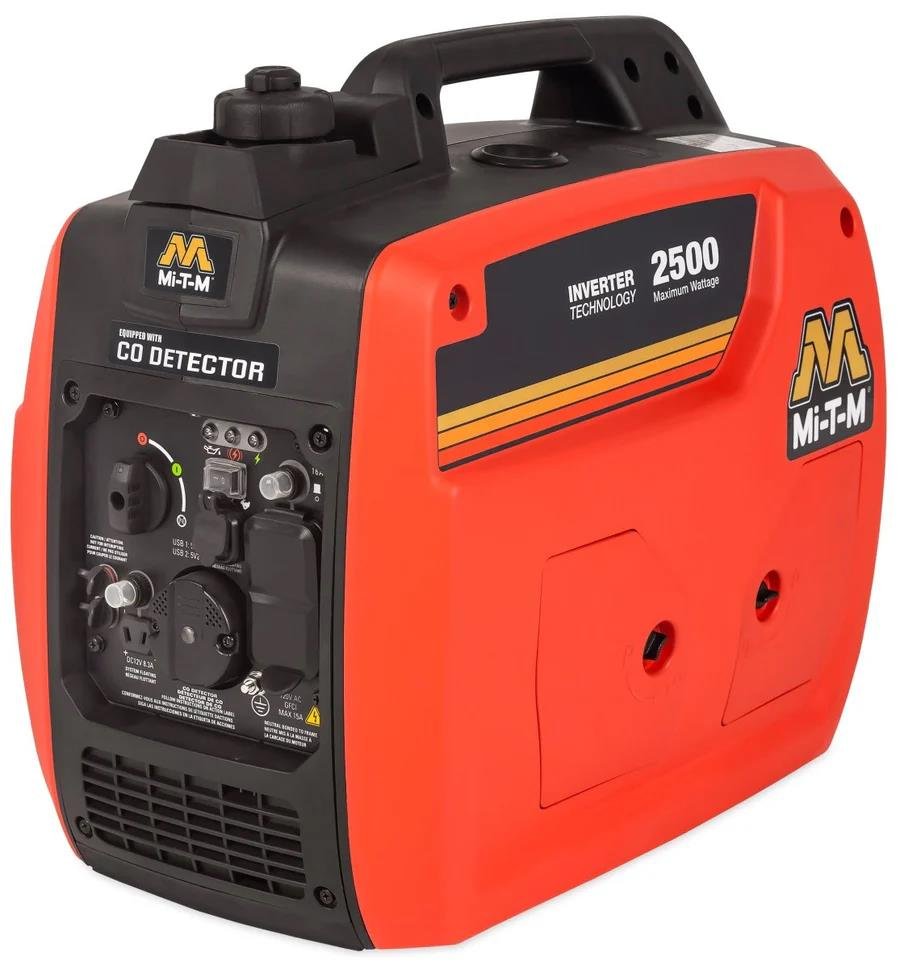
- Inverter Generators: A quieter, more fuel-efficient subset of portables, ideal for sensitive electronics (think laptops, medical devices) due to their "clean power" output. Perfect for events where noise is a concern.
- Towable/Trailer-Mounted Generators: Larger, more robust units, often diesel-powered, designed for significant power demands on job sites, events, or commercial backup. They're built for heavy-duty, continuous operation.
- Silent Generators: Engineered with advanced sound-dampening technology, these are crucial for noise-sensitive environments like film sets, weddings, or residential areas.
The beauty of renting is that you get the right tool for the specific job, without the burden of ownership. You simply describe your power needs, and a reputable rental service can guide you toward the perfect fit.
Powering Through: Common Applications & Use Cases for Rental Generators
Let's dive into the diverse situations where rental generators shine, keeping operations smooth and activities vibrant.
1. Emergency Preparedness – When the Grid Goes Dark
Power outages are more than an inconvenience; they can disrupt lives, halt businesses, and even pose risks to health and safety. Rental generators are a vital lifeline in these scenarios.
- Home Backup: Keeping Essentials Running
When storms knock out power, a rental generator can keep your refrigerator chilling, your well pump supplying water, lights on, and crucial medical equipment operational. It's about maintaining a semblance of normalcy and safety until the grid is restored. Imagine not losing hundreds of dollars in spoiled food or having to navigate your home in complete darkness. - Business Continuity: Preventing Losses and Maintaining Operations
For businesses, even a short power outage can mean significant financial losses, data corruption, or missed deadlines. A rental generator can power critical systems like cash registers, point-of-sale systems, computers, lighting, and communication infrastructure. This ensures customers can still be served, data remains secure, and employees can continue their work, minimizing downtime and protecting revenue. - Healthcare & Critical Infrastructure: Safeguarding Lives and Data
Hospitals, clinics, and laboratories cannot afford even a momentary power loss. Life-support machines, sensitive medical equipment, data servers, and refrigeration for medicines require uninterrupted power. Rental generators provide that crucial backup, preventing crises and ensuring patient care isn't compromised. Similarly, data centers rely on generators to prevent catastrophic data loss and maintain internet and telecommunications services during grid failures.
2. Off-Grid & Remote Operations – Bringing Power Where There Is None
Many projects and activities take place far from conventional power sources. This is where rental generators become indispensable, turning undeveloped land into productive workspaces or vibrant venues.
- Construction & Job Sites: Powering Progress
Construction projects, roadwork, and remote infrastructure development often lack access to grid electricity. Rental generators are the backbone of these operations, powering everything from heavy-duty saws, drills, and grinders to site lighting, temporary offices, and charging stations for cordless tools. They enable work to continue efficiently and safely, regardless of location. - Agriculture & Farming: Sustaining Rural Operations
Modern farming relies heavily on electricity for various tasks. During power outages or in remote fields, rental generators power water pumps for irrigation, milking machines, grain dryers, electric fences, and cold storage units essential for preserving crops and produce. This ensures agricultural processes remain uninterrupted, protecting livelihoods and food supply. - Remote Research & Field Work: Enabling Discovery
Scientists, geologists, and environmental researchers often conduct studies in isolated locations. Rental generators provide the necessary power for specialized equipment, lighting, communication devices, and temporary living quarters, making these expeditions feasible and productive.
3. Events & Entertainment – Keeping the Show Going
From intimate outdoor weddings to massive music festivals, events require substantial, reliable power to create memorable experiences. Rental generators are the silent workhorses behind the scenes.
- Outdoor Festivals & Concerts: Electrifying the Experience
Imagine a stage without sound, lights, or screens at a concert. Unthinkable! Rental generators supply the immense power required for sound systems, elaborate lighting rigs, jumbo screens, vendor stalls, food trucks, and even backstage amenities. Quiet models are often selected to ensure the only sound is the music itself. - Weddings & Private Gatherings: Setting the Scene
Dreaming of a beautiful outdoor wedding or a large backyard party? These events often push the limits of standard household power or are held in locations without any. Generators power everything from catering equipment and ambient lighting to DJ setups, bouncy castles, and air conditioning for tents, ensuring comfort and elegance for your guests. - Film & Photo Shoots: On-Location Power
Movie sets and professional photo shoots frequently take place in diverse outdoor or remote locations. Rental generators provide stable, clean power for high-intensity lighting, cameras, sound equipment, production trailers, and charging stations, ensuring professional-grade results without being tethered to the grid. For these applications, finding generators for rent that are exceptionally quiet is often a top priority.
4. Industrial & Specialized Demands – Heavy-Duty Power Solutions
Beyond typical applications, rental generators serve critical roles in industrial settings and specialized infrastructure, providing robust and often redundant power.
- Manufacturing & Industrial Facilities: Backup and Expansion
Factories, mining operations, and large industrial plants require massive amounts of power. Rental generators can serve as crucial backup during grid failures, preventing costly production halts. They can also provide temporary power for facility expansions, maintenance periods, or when existing power infrastructure is insufficient for peak demand. - Telecommunications & IT: Staying Connected
Cell towers, data centers, and critical server rooms require continuous power to maintain internet and phone services. Automatic transfer switch-equipped rental generators can activate immediately upon a power loss, preventing service disruptions that can impact thousands or millions of users. - Disaster Relief & Military Operations: Power in Challenging Environments
While often owned by these organizations, rental generators can quickly augment resources during large-scale disaster relief efforts or for temporary military installations. They power field hospitals, communication hubs, temporary shelters, and essential relief equipment, ensuring mission-critical operations can proceed in challenging, often grid-compromised, environments.
Choosing Your Rental Generator: The Smart Shopper's Guide
Selecting the right rental generator isn't about picking the biggest or cheapest; it's about matching the machine to your specific power needs.
- 1. Assess Your Wattage Needs: The Power Math
This is the most critical step. Make a list of all the appliances, tools, and lights you plan to power simultaneously. For each item, note its "starting wattage" (the higher surge required to start motors) and "running wattage" (what it needs once running). - Rule of Thumb: Sum the running wattage of all items, then add the single highest starting wattage of any motor-driven appliance you'll run. This gives you a good estimate of the total wattage capacity you'll need. Always add a 10-20% buffer for safety and future additions. Don't underestimate; an underpowered generator won't run your equipment effectively, if at all.
- 2. Fuel Type & Availability: Diesel, Gasoline, Propane, or Natural Gas?
- Diesel Generators: Often preferred for heavy-duty, long-duration applications. Diesel is generally safer to store than gasoline and offers better fuel efficiency for continuous use.
- Gasoline Generators: Common for smaller portable units. Gasoline is readily available but has a shorter shelf life and can be more volatile to store.
- Propane Generators: Offer cleaner burning fuel, longer storage life for the fuel itself, and often less maintenance. Propane tanks can be easily swapped.
- Natural Gas Generators: Less common for rentals unless you have a direct natural gas line available, offering continuous fuel supply without refueling.
Consider what fuel sources are accessible and practical for your specific site and duration. - 3. Noise Levels: Silent Operation or Industrial Hum?
The sound a generator makes is a significant factor. - Inverter & Silent Generators: Essential for events, residential areas, film sets, or any situation where noise pollution is a concern. They are designed to operate quietly.
- Standard Portable/Industrial Generators: Can be quite loud. If your site is remote, an industrial area, or noise isn't an issue, these are often more cost-effective. Always check local noise ordinances.
- 4. Features to Look For: Enhancing Convenience and Efficiency
- Electric Start: Much easier than pull-starting, especially for larger units.
- Fuel Gauge & Hour Meter: Helps you monitor fuel levels and track usage for maintenance or billing.
- Multiple Outlets/Voltage Options: Ensure the generator has the right outlets and voltage (e.g., 120V, 240V, or both) for your equipment.
- Automatic Transfer Switch (ATS): For home or business backup, an ATS automatically detects power loss and switches the load to the generator, then back to grid power when it returns.
- Portability & Mobility: Consider if you need a lightweight portable unit or a towable, trailer-mounted generator for larger power needs.
- 5. Environmental Considerations: Emissions and Regulations
Depending on your location, there might be regulations regarding generator emissions. Newer rental units are often more fuel-efficient and meet stricter environmental standards. Discuss these concerns with your rental provider, especially for long-term projects or in sensitive areas.
Safety First: Essential Rental Generator Guidelines
Operating a generator carries serious risks if not handled correctly. Your rental provider will give you specific instructions, but here are universal safety guidelines:
- Outdoor Operation ONLY: Generators produce carbon monoxide (CO), an invisible, odorless, deadly gas. Never run a generator indoors, in a garage, shed, or any enclosed or partially enclosed space. Even an open garage door isn't enough.
- Maintain Distance: Place generators at least 20 feet away from homes, windows, doors, and vents. Position the exhaust away from occupied areas to prevent CO fumes from entering buildings. Consider the direction of prevailing winds.
- Careful Refueling: Always turn off the generator and allow it to cool completely before adding fuel. Hot engine parts and spilled fuel are a dangerous combination that can easily cause a fire. Store fuel in approved containers, away from ignition sources.
- Proper Cords and Connections: Plug appliances directly into the generator or use only heavy-duty, outdoor-rated extension cords that are appropriate for the wattage you're drawing. Inspect cords for damage before use.
- Never Backfeed: Do NOT connect a generator directly into your home's electrical system by plugging it into a wall outlet (known as backfeeding). This is incredibly dangerous and can send electricity back into the power lines, potentially electrocuting utility workers. If you need to power your home's main panel, a professionally installed transfer switch is absolutely mandatory.
Beyond the Basics: Rental Advantages & Expert Tips
Renting offers distinct advantages that ownership often can't match, especially for diverse or temporary needs.
- Cost-Effectiveness for Short-Term Needs: Buying a generator, especially a larger one, is a significant capital expense. For projects lasting days, weeks, or even a few months, renting is almost always the more economical choice, freeing up capital for other investments.
- Access to Latest Technology Without Commitment: Rental fleets are regularly updated with newer, more efficient, and quieter models. You get to use cutting-edge equipment without worrying about obsolescence or depreciation.
- Maintenance and Support Handled: When you rent, the maintenance, repairs, and servicing are handled by the rental company. You don't have to worry about oil changes, filter replacements, or engine troubles – they just provide a working unit.
- Scalability and Flexibility: Your power needs might change from one project to the next. Renting allows you to get a 5,000-watt unit for one job and a 100,000-watt unit for another, providing unparalleled flexibility.
- What to Ask Your Rental Provider: Don't hesitate to ask detailed questions:
- "What size generator do you recommend for X, Y, and Z equipment?"
- "What are the fuel consumption rates for this model?"
- "Is delivery and setup included, or is it an extra charge?"
- "What are your emergency service policies if the generator malfunctions?"
- "Do you provide necessary cables and distribution boxes?"
- "Are there any noise restrictions for this unit?"
Your Next Step: Securing Reliable Rental Power
Whether you're facing an impending storm, planning a grand event, or kicking off a new construction phase, reliable power is non-negotiable. Understanding the vast applications for rental generators empowers you to make informed decisions, ensuring your projects stay on track and your events shine brightly.
Don't wait until you're in the dark to think about your power solution. Proactive planning can save time, money, and a lot of headaches. Reach out to a local rental provider today to discuss your specific needs and ensure you have the right power partner ready when you need it. When you're ready to explore your options and ensure seamless power for your next project or event, you can find generators for rent easily.