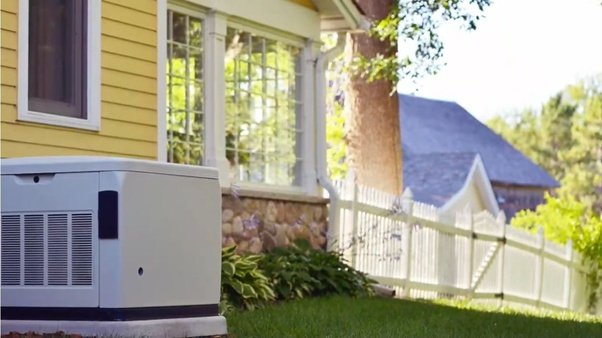
When you’re facing a power outage, launching a remote construction project, or orchestrating a large-scale outdoor event, reliable temporary power isn't just a luxury—it's a necessity. The grid isn't always available, and waiting isn't an option. That's where generators come in, and choosing the right generator for rent can make or break your operation. It’s about ensuring uninterrupted productivity, safety, and success without the burden of ownership.
But navigating the world of generator rentals can feel like a maze of watts, fuel types, and rental agreements. This comprehensive guide, forged from years of industry insight, is designed to cut through the noise, equipping you with the knowledge and confidence to make an informed decision.
At a Glance: Your Generator Rental Checklist
- Calculate Your Needs: Accurately determine total wattage and account for startup surges.
- Understand Fuel Types: Weigh diesel, natural gas, or hybrid options based on cost, environment, and availability.
- Choose Wisely: Select a reputable rental partner and a trusted generator brand.
- Inspect and Confirm: Verify the generator's condition, servicing, and rental agreement details.
- Plan Logistics: Coordinate transport, setup, and safe operation.
- Consider Modern Tech: Explore telematics for remote monitoring and proactive management.
Why Renting a Generator is Your Smart Move for Temporary Power
Before diving into the specifics, let's establish why renting a generator often outshines purchasing one for temporary power needs. It’s a strategic decision that offers flexibility, cost-effectiveness, and peace of mind. When you need temporary power, the decision to rent a generator makes sound financial and logistical sense.
- Cost Savings, Immediate and Long-Term: Forget the hefty upfront capital investment of purchasing. Renting eliminates concerns about depreciation, ongoing maintenance, costly repairs, secure storage, and insurance premiums. You pay only for the power you need, when you need it.
- Unmatched Flexibility and Variety: Projects evolve, and power demands change. Renting provides access to a diverse inventory of generators, ensuring you get the exact size, fuel type, and features for your specific application—from a small portable unit for a local event to an industrial-grade powerhouse for a factory shutdown.
- Expert Advice and Field Service at Your Fingertips: Reputable rental partners offer invaluable guidance on proper sizing, installation, and safe operation. Should an issue arise, they provide prompt field service, troubleshooting, and even replacement units to minimize your downtime.
- No Maintenance Burden: The responsibility for keeping the generator in top working order falls on the rental provider. You receive a fully serviced, properly functioning unit, with all routine maintenance and unexpected repairs covered under your agreement.
- Rapid Response in Emergencies: When disaster strikes—a flood, a widespread power outage, or equipment failure—rental companies can quickly deploy generators, providing critical power when you need it most.
- "Try Before You Buy" Opportunity: Considering a permanent generator solution down the line? Renting allows you to test different models and capacities in real-world scenarios, helping you identify your exact long-term needs before making a significant purchase investment.
Understanding Your Power Needs: The Crucial First Step
The single most common mistake in generator rental is miscalculating power requirements. An undersized generator will trip breakers and fail to power your essential equipment, while an oversized one wastes fuel and money. Precision here is paramount.
The Power Equation: Calculating Wattage Requirements
Before you even browse generator options, grab a pen and paper (or open a spreadsheet). You need to list every single appliance, tool, or device you plan to power.
- List Power Requirements: For each item, identify its "running wattage" or "rated wattage." This is usually found on a label, in the owner’s manual, or often etched directly onto the appliance itself. For instance, a small office printer might run at 200 watts, while a commercial refrigerator could be 800 watts.
- Account for Startup Surges: Many electric motors—like those found in refrigerators, air conditioners, furnaces, power tools, or pumps—require significantly more power for a few seconds when they first start up than they do when continuously running. This is called a "startup surge" or "starting wattage."
- How to Calculate: Find the startup wattage for these specific items (often 2-3 times their running wattage).
- Crucial Step: Calculate the total running wattage of ALL items you plan to power simultaneously. Then, identify the single highest startup surge among your items. Add this highest startup surge to your total running wattage. This combined figure gives you the peak power your generator needs to handle.
- Include a Safety Margin: Once you have your peak power figure, don't stop there. Always add a 10-20% safety margin. This buffer accounts for unforeseen loads, slight inaccuracies in wattage ratings, or the natural degradation of a generator's output over time. It provides peace of mind and prevents overloading.
Example Scenario:
Let’s say your essential equipment includes:
- Lighting (500W running)
- Computers/Monitors (300W running)
- Small Refrigerator (800W running, 1500W startup surge)
- Power Tools (750W running, 1200W startup surge)
- Total Running Wattage: 500W + 300W + 800W + 750W = 2350W
- Highest Startup Surge: The refrigerator has the highest startup surge at 1500W.
- Peak Power Needed: 2350W (total running) + 1500W (highest surge) = 3850W
- With Safety Margin (15%): 3850W * 1.15 = 4427.5W
In this scenario, you’d be looking for a generator with at least 4.5 kilowatts (kW) of continuous power, perhaps rounding up to a 5 kW unit for an added buffer.
Fueling Smart: Managing Consumption and Costs
The type of generator you choose directly impacts your fuel strategy and operational costs. While the rental fee is fixed, fuel costs can fluctuate and add up quickly.
- Diesel Consumption: Diesel generators are renowned for their fuel efficiency, especially under heavy loads. A general rule of thumb is that they consume approximately 0.1 gallons of diesel per kilowatt-hour (kWh) produced. This translates to an estimated fuel cost of $0.30–$0.40 per kWh, depending on market prices.
- Optimal Operating Capacity: To maximize fuel efficiency, aim to operate your generator between 50-80% of its rated capacity. Generators running significantly below this range (e.g., at 20-30% capacity) will consume disproportionately more fuel relative to the power they're producing.
- The Oversizing Trap: An oversized generator, while seemingly providing ample power, can be a major drain on your budget. It will burn more fuel than necessary, even when powering minimal loads, because its engine is designed for higher output. Accurate sizing isn't just about preventing overload; it's about cost-effective operation.
Generator Types: Finding the Perfect Match for Your Project
With your power requirements in hand, it's time to explore the diverse world of generators. Each type comes with its own set of advantages and considerations.
Diesel Generators: The Workhorse of Temporary Power
Diesel generators remain the most common choice for rental applications, and for good reason. They are robust, reliable, and highly efficient, especially for demanding, continuous operations.
- Benefits:
- Fuel-Efficient: Excellent for powering high loads over extended periods with limited fuel consumption.
- Durable: Built to withstand rugged environments and continuous use, making them ideal for construction sites, industrial applications, and long-term rentals.
- Widely Accessible Fuel: Diesel fuel is readily available in most locations.
- Reliable Startup: Modern diesel engines offer fast and consistent startups.
- Drawback:
- Emissions: Diesel combustion produces exhaust gases, including particulate matter and nitrogen oxides, making them unsuitable for indoor or enclosed operations without proper ventilation.
Natural Gas Generators: Cleaner, Convenient, and Gaining Ground
Natural gas generators are increasing in popularity, particularly where environmental concerns are high or convenience is a priority.
- Benefits:
- Cost-Effective Fuel: Natural gas is often cheaper than diesel, leading to lower operating costs over the rental period.
- Convenient: No need for on-site fuel tanks, refueling logistics, or spill risk if connected to an existing natural gas line.
- Cleaner Burning: Significantly less air pollution compared to diesel, making them a more environmentally friendly option and sometimes permissible in areas with stricter emissions regulations.
- Easy Installation: Often easier to install in tight spaces without the need for large external fuel storage.
- Drawback:
- Higher Rental Cost: Typically more expensive to rent than their diesel counterparts.
- Fuel Infrastructure: Requires access to a natural gas line, which may not be available at all remote sites.
Specialized Solutions for Specific Needs
Beyond the primary fuel types, generators come in various configurations designed for particular applications.
- Towable Generators: Power on the Move
- These units are mounted on trailers, making them incredibly easy to transport to and from job sites. They are perfect for applications requiring mobility, such as construction, mining operations, disaster relief, or multi-day outdoor events.
- Towable generators often boast higher output capacities and larger fuel tanks, providing extended periods of power. While most are diesel-fueled, you can find some gasoline and propane options for smaller needs.
- Large Generators: Industrial Scale Powerhouses
- When your operation demands a steady, robust stream of power for multiple heavy-duty devices, extensive lighting, and an array of tools—think industrial plants, large commercial buildings, or data centers—large generators are the answer.
- These powerhouses typically range from 500 kilowatts to well over 1,000 kilowatts and can be fueled by diesel, natural gas, or even propane. Many are also towable, offering mobility despite their impressive scale.
- Solar Hybrid Generators: The Eco-Friendly Edge
- Representing a modern leap in power solutions, solar hybrid generators combine traditional fuel (most commonly diesel) with solar energy panels and battery storage.
- Benefits: They dramatically reduce fuel consumption and emissions, operate significantly quieter (especially when running on batteries), and only engage the fuel engine when solar or battery power is insufficient.
- Application: Ideal for long-term projects or daytime applications where environmental sustainability, noise reduction, and long-term fuel cost savings are priorities. While they offer incredible benefits, traditional diesel units are often still preferred for critical 24/7 operations requiring constant, heavy loads.
Where Reliable Power Matters: Common Generator Applications
Generators are the unsung heroes across a vast array of sectors, ensuring continuity and productivity when grid power is absent or compromised.
- Construction Sites: Whether it’s a remote greenfield project or an urban infill, generators provide the primary power for tools, lighting, site offices, and equipment where permanent electrical infrastructure is unavailable or under development.
- Routine Shutdowns & Outages: Industrial facilities like mines, mills, and factories rely on rental generators during planned maintenance shutdowns or unexpected outages. They ensure basic operations, critical safety systems, and worker welfare remain uninterrupted.
- Hospitals & Clinics: In healthcare, power is life. Generators serve as vital backups for essential medical equipment, computers, lighting, and HVAC systems, particularly critical during grid outages or in regions with unreliable power grids.
- Agriculture: From remote farms to large-scale agribusinesses, generators provide independent electrical power for barn heaters, stable lighting, milking equipment, fish farming operations, irrigation pumps, and processing machinery.
- Hospitality: Hotels, resorts, and restaurants depend on continuous power for guest comfort and operations. Generators ensure lights, heating/cooling, refrigeration, and payment systems remain functional during storms or other grid disruptions.
- Concerts, Festivals & Events: The show must go on! Generators are indispensable for powering sound systems, elaborate lighting rigs, vendor refrigeration, stages, and various other equipment to ensure successful and memorable events.
Your Generator Rental Playbook: Actionable Steps for a Seamless Experience
Once you understand your needs and the available options, the rental process itself requires diligence. Follow these actionable steps to ensure a smooth, safe, and cost-effective experience.
1. Partner Wisely: Choosing a Reliable Rental Company & Brand
Your choice of rental partner is just as important as the generator itself. Look for companies with a strong reputation, extensive inventory, and a commitment to customer support.
- Trusted Brands: Opt for generators from reputable name brands like Caterpillar, Cummins, Generac, or Kohler. These manufacturers are known for their reliability, efficiency, and robust construction.
- Expertise and Support: A good rental company offers more than just equipment. They provide expert advice on sizing, fuel management, setup, and safety. Confirm they offer 24/7 technical support and on-site field service in case of malfunction.
- Inventory Depth: Ensure their inventory is deep enough to provide the exact size and type of generator you need, even during peak demand seasons.
2. Read the Fine Print: Decoding Your Rental Agreement
Never sign a rental agreement without a thorough review. Understanding the terms will prevent unwelcome surprises down the line.
- Hidden Fees: Look out for charges beyond the daily/weekly/monthly rate, such as delivery/pickup fees, refueling charges, cleaning fees, environmental surcharges, or minimum usage requirements.
- Financial Penalties: Understand the penalties for late returns, damage, or exceeding agreed-upon operating hours.
- Liability Insurance: Clarify who is responsible for insuring the generator during the rental period. You may need to provide proof of your own liability insurance or purchase coverage through the rental company.
- Rental Terms & Return Dates: Be crystal clear on the start and end dates, including specific return times, to avoid unexpected charges.
3. Inspect Before You Accept: Verifying Equipment Condition
Upon delivery or pickup, conduct a meticulous inspection of the generator. You are responsible for its condition upon return, so ensure it meets your expectations from the start.
- Tested & Certified: Confirm the rental company has rigorous protocols for pre- and post-rental inspections and maintenance. Ask for proof that the unit has been tested and certified for its rated output.
- Cleanliness: Accept only generators that are clean and well-maintained. A dirty unit can signal neglect and potential underlying issues.
- Serviced & Ready: Verify that the generator has been fully serviced. Check fluid levels (oil, coolant), ensure all filters are clean, and inspect electrical connections for wear or damage. Look for any signs of leaks or unusual wear.
4. Plan Ahead: Transport & Site Logistics
Logistics can be complex, especially for larger units. Clarify responsibilities early.
- Delivery and Return: Confirm who is responsible for transporting the generator to and from your site. If you're handling transport, ensure you have the appropriate vehicle and trailer hitch capacity.
- Site Preparation: Ensure your site is accessible for delivery vehicles and has a level, stable surface for the generator.
- Weather Monitoring: Keep a close eye on weather reports. Inform the rental company of any changes to your project schedule that might affect rental duration due to weather delays.
5. Operate Safely & Smartly: Best Practices On-Site
Proper operation is crucial for both safety and efficiency.
- Familiarize Yourself with Instructions: Take the time to read the owner’s manual and understand the specific operating procedures for your rented unit.
- Outdoor Operation Only: Generators produce carbon monoxide, a colorless, odorless, and deadly gas. ALWAYS operate generators outdoors in a well-ventilated area, far from windows, doors, and vents.
- Safe Refueling: Never refuel a hot or running engine. Allow the generator to cool down completely before adding fuel to prevent fire hazards.
- Proper Grounding: Ensure the generator is correctly grounded before use. This prevents electrical issues like short circuits, tripped breakers, and potential electrocution hazards. If unsure, request a demonstration or training from the rental company.
6. Embrace Technology: The Power of Telematics
For mission-critical applications where uptime is paramount, consider generators equipped with telematics.
- Remote Monitoring: Telematics allows for real-time remote monitoring of vital parameters like fuel levels, load capacity, engine health, and error codes.
- Proactive Maintenance: Instant alerts can notify you or the rental company of potential issues before they become critical failures, enabling proactive maintenance and preventing costly downtime.
- Optimized Usage: Data insights from telematics can help optimize fuel consumption and ensure the generator is operating at peak efficiency, preventing under or over-loading. This technology offers an unparalleled layer of control and reliability.
Ready to Power Up? Your Next Steps
Choosing the right generator for rent is a crucial decision that impacts productivity, safety, and your bottom line. By carefully assessing your power requirements, understanding the diverse generator types available, and meticulously navigating the rental process, you can ensure your temporary power solution is reliable, efficient, and perfectly suited to your needs.
Don't leave your power to chance. Take the insights from this guide, calculate your specific wattage, consider the best fuel type for your application, and then reach out to a reputable generator rental provider. With the right planning and partnership, you'll secure the power you need to keep your projects moving forward, no matter the challenge.